

When you first bring a fluffy puppy home, watching it timidly hide in a corner or excitedly run around, many first-time owners feel both excited and anxious: unsure what to feed it, worried about it getting sick, and at a loss when it poops and peees everywhere. Actually, raising a dog isn't as difficult as you might imagine. With a few basic skills, you can quickly build trust with your dog and raise it to be healthy and obedient. Owning a dog is like welcoming a non-verbal family member—it's both fun and a test of patience. By using scientific methods and considering your dog's nature and habits, you can easily overcome challenges and help your dog grow up healthy and happy.

Dangerous Foods Dogs Shouldn't Eat
When you're eating, your puppy sits beside you with those pitiful eyes—isn't it hard to resist? But dogs' bodies are different from humans'. Many foods that are delicious and healthy for humans are deadly for dogs. Feeding them leftovers not only affects their teeth, but many seasonings added to human cooking are also very unsafe for them. Oily and salty foods will increase the burden on a dog's body, significantly increasing the probability of pancreatitis. Please absolutely avoid feeding your dog leftovers. Also, try not to give your dog a little food from the table during mealtimes just because they're fussy. If they do this once, they'll expect it again, eventually developing a bad habit of constantly begging for food and disturbing your meals.
Basic Dog Care
Diet Management: Don't Let Love Become Harm
Dogs' digestive systems are far more delicate than humans', so feeding them requires extra care. For puppies, it's recommended to use puppy food, soaking it in warm water and feeding small amounts frequently. As they grow, adjust the type of dog food according to their size and activity level. For example, high-protein food is suitable for energetic Border Collies, while small breeds like Pomeranians need calorie control. Treats can be used as training rewards, but avoid feeding them dangerous foods like chocolate and onions. Minimize the amount of leftover human food—too much salt can cause tear stains and kidney problems.
Living Space: Safety and Comfort Combined
Prepare a dedicated bed for your dog, lined with a soft blanket or pad, and avoid letting them sleep directly on the cold floor. If using a crate, remember to provide familiar toys to help alleviate anxiety. Keep electrical cords, cleaning agents, and other hazardous items out of reach. Potted plants like pothos and lilies are toxic to dogs and should be placed in high places.
Hygiene and Cleaning: Details Determine Health
Wipe the ears and paws with pet wipes weekly, and bathe the dog 1-2 times a month (long-haired dogs can be bathed more frequently). Always dry the fur thoroughly after bathing to prevent skin diseases. Start toilet training early; take the puppy to a designated area 15 minutes after meals and reward it immediately upon successful completion. Repeating this several times will establish a conditioned reflex.
Dog Behavior Training
Establishing Basic Rules
Start with simple commands like "sit," "wait," and "come," using treats to guide the action and providing immediate rewards. For example, when teaching "shake hands," hold a treat in one hand and gently lift the dog's paw with the other while repeating the command. Practice for 5 minutes daily. Never hit or scold; ignoring a dog when it misbehaves is more effective than punishment—suddenly ignoring it will make the dog realize that the behavior is unwelcome.
Addressing Common Issues
Destructive behavior and excessive barking are often signs of excess energy or separation anxiety. Walk your dog for half an hour each morning and evening, allowing it to explore and sniff around, which will expend its energy and satisfy its curiosity. Prepare educational games that involve dropping treats or hiding treats; when a dog is home alone, it will have something to do and won't have time to cause trouble.
Socialization: Cultivating a "Polite Citizen"
Experiencing your dog's behavior from a young age exposes it to different people and other pets to prevent aggression or fear in adulthood. When encountering other dogs during walks, observe their behavior first; if they interact amicably, you can loosen the leash appropriately. If your dog barks at passersby, gently tighten the leash and distract it, such as by suddenly changing direction.
Emotional Interaction with Your Dog
Understanding Body Language
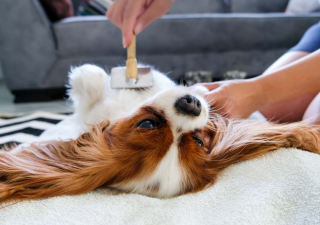
A high, rapidly wagging tail indicates excitement, while a tucked tail indicates fear; ears flattened back indicate tension, while ears erect and forward indicate curiosity. When a dog licks your palm or exposes its belly, it's showing affection and trust.
High-Quality Companionship Rules
Spend 20 minutes each day playing interactive games with your dog, such as fetch or tug-of-war. Afterwards, pet its chest or chin (most dogs love these areas). Avoid holding it in your arms for extended periods—some breeds, like Huskies, may feel restricted.
Handling Special Periods
Provide hard chew toys during teething, dress female dogs in diapers during heat, and provide joint care for senior dogs. If your dog suddenly loses its appetite or scratches frequently, it may be a sign of illness and requires immediate veterinary attention.
Dog Health Protection
Vaccinations and Deworming
Puppies receive their first vaccination at 45 days old, followed by two booster shots at 21 days old. Rabies vaccination is administered separately. Deworm internally every 3 months and externally every month; the interval can be shortened during flea season.
Daily Observation Checklist
A moist nose, bright eyes, and formed stools are signs of health. Frequent head shaking and ear scratching may indicate ear mites; an hunched back or reluctance to jump may indicate joint problems.
Senior Dog Care
After age 7, switch to low-fat, high-fiber dog food and have regular dental and vision checkups. Use a non-slip mat to prevent falls, and appropriately reduce exercise while maintaining a walk routine to help maintain muscle vitality.
Conclusion
Owning a dog may feel overwhelming at first, but watching your dog grow from a tiny kitten to a grown-up, learning to obey you, and wagging its tail waiting for you to come home every day, you'll find all the effort is worthwhile. Don't strive for "perfect dog ownership." Just focus on the basics of feeding, grooming, and training, and give it enough love and patience, and you'll be a qualified dog owner. If you encounter problems while raising a dog, don't panic. Observe more, learn more, or consult experienced pet owners or veterinarians. Gradually, you'll find a way of getting along that suits you and your dog!